Around the bazaar
District
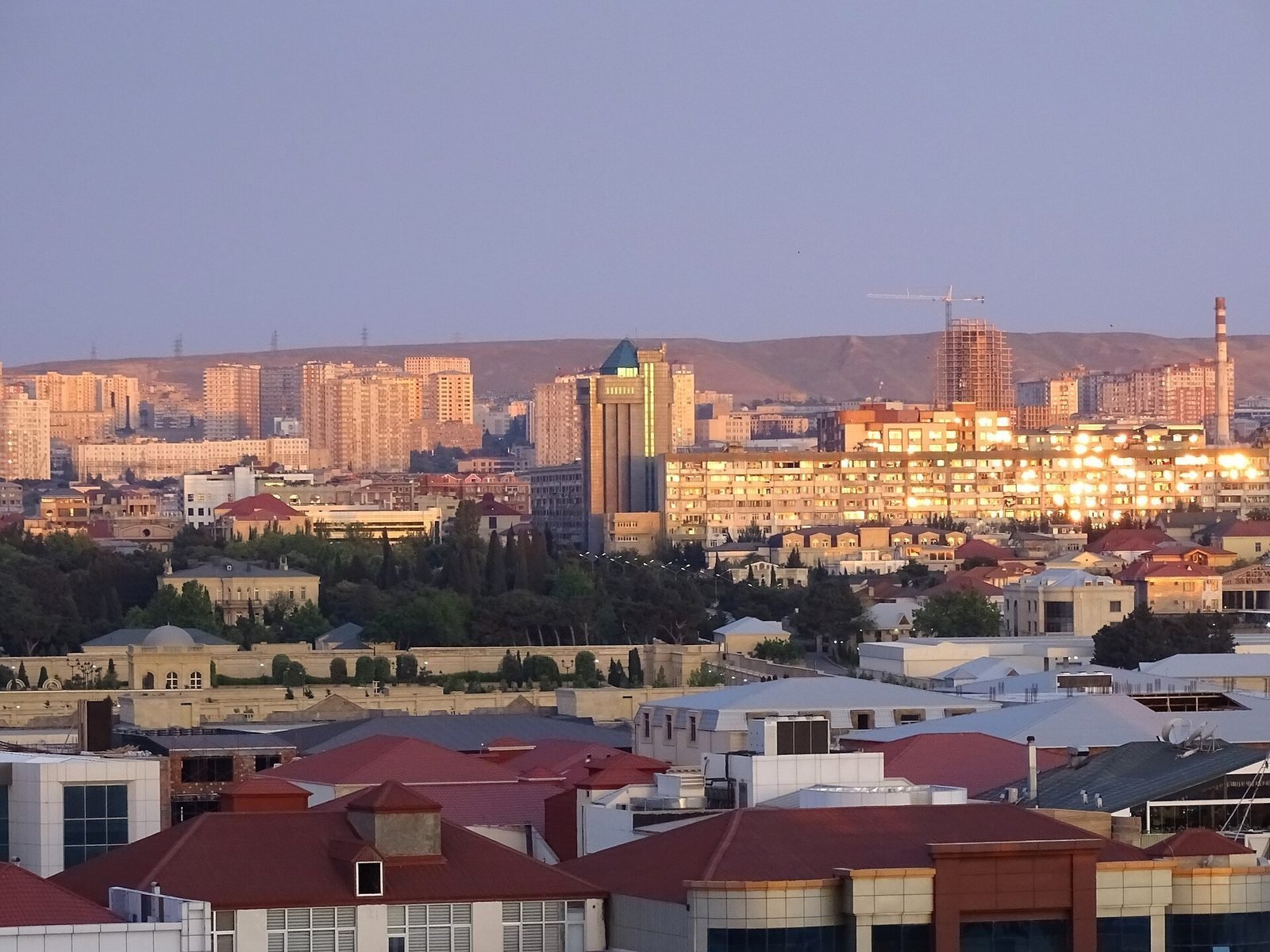
Beyond the market's noise, ordinary life begins: panel blocks, courtyards with washing on lines, tea houses, schools and corner shops. This is residential Baku without varnish.
Around the bazaar
Beyond the market's noise, ordinary life begins: panel blocks, courtyards with washing on lines, tea houses, schools and corner shops. This is residential Baku without varnish.
The 8th Kilometre is one of those districts that grew on the edges of Baku in the 1960s–80s, when the city was rapidly building housing for working families. Its contemporaries are Ahmadli, the 7th and 8th micro-districts and Yasamal.
District
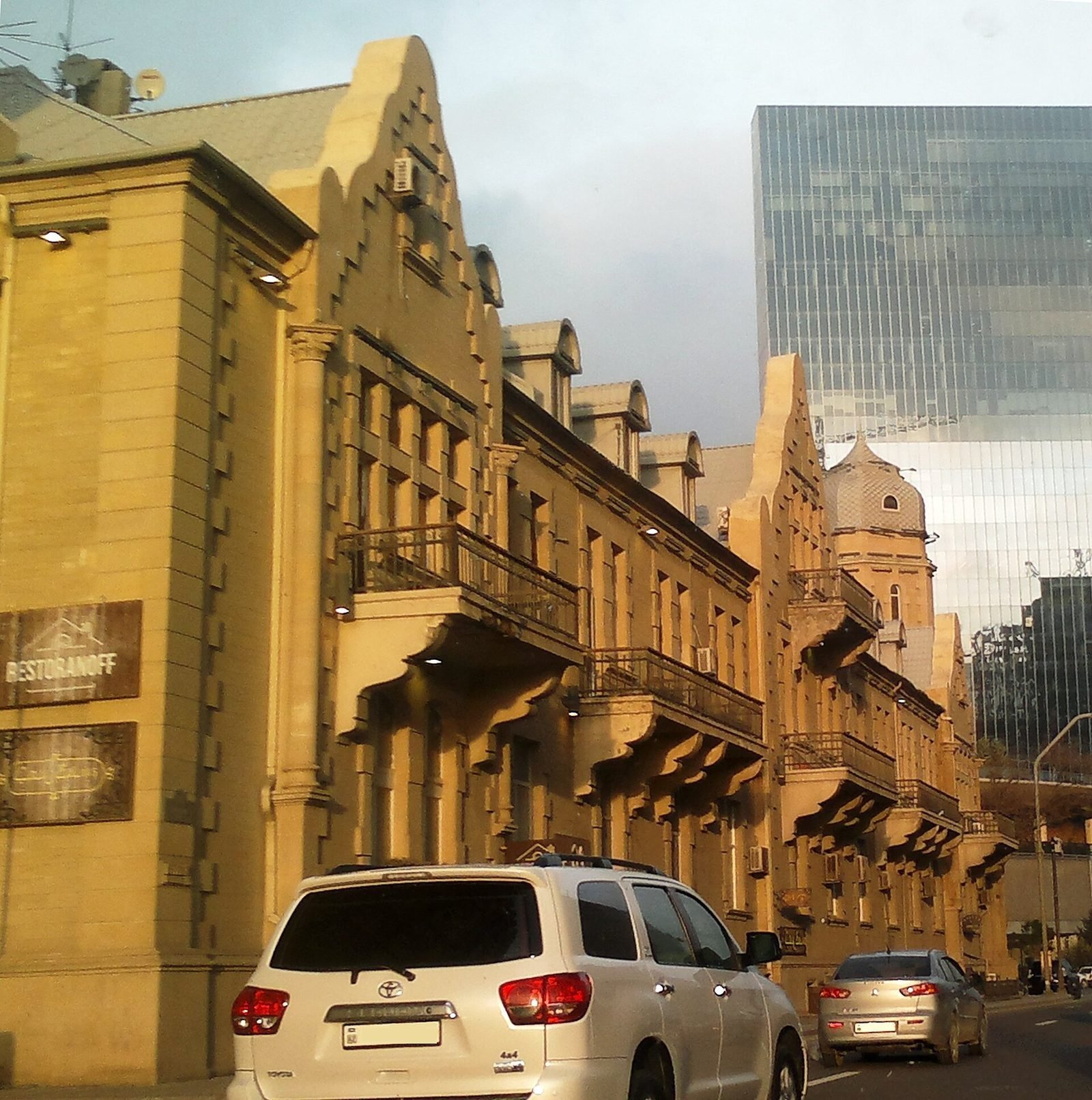
The Nizami district was formed in 1980 from parts of the Narimanov and former Shaumyan districts; it took in the 8th Kilometre estate and the territory of the oil-refining works. People who worked at the factories and the port of greater industrial Baku settled here.
The architecture is the standard high-rises of Soviet series: nothing grand, all for living. Yet there is an honesty in that plainness — the district does not pretend to be something it is not.
District
The district's real life is in its courtyards: benches by the entrances, children after school, backgammon under a tree, neighbours talking across balconies. Small shops, pharmacies, barbers and tea houses carry the whole of everyday life.
Here the bazaar and the blocks are not separate: sellers live next to buyers, and the morning flow to the market begins right at the front doors. The district and its market are one.
What the district is made of
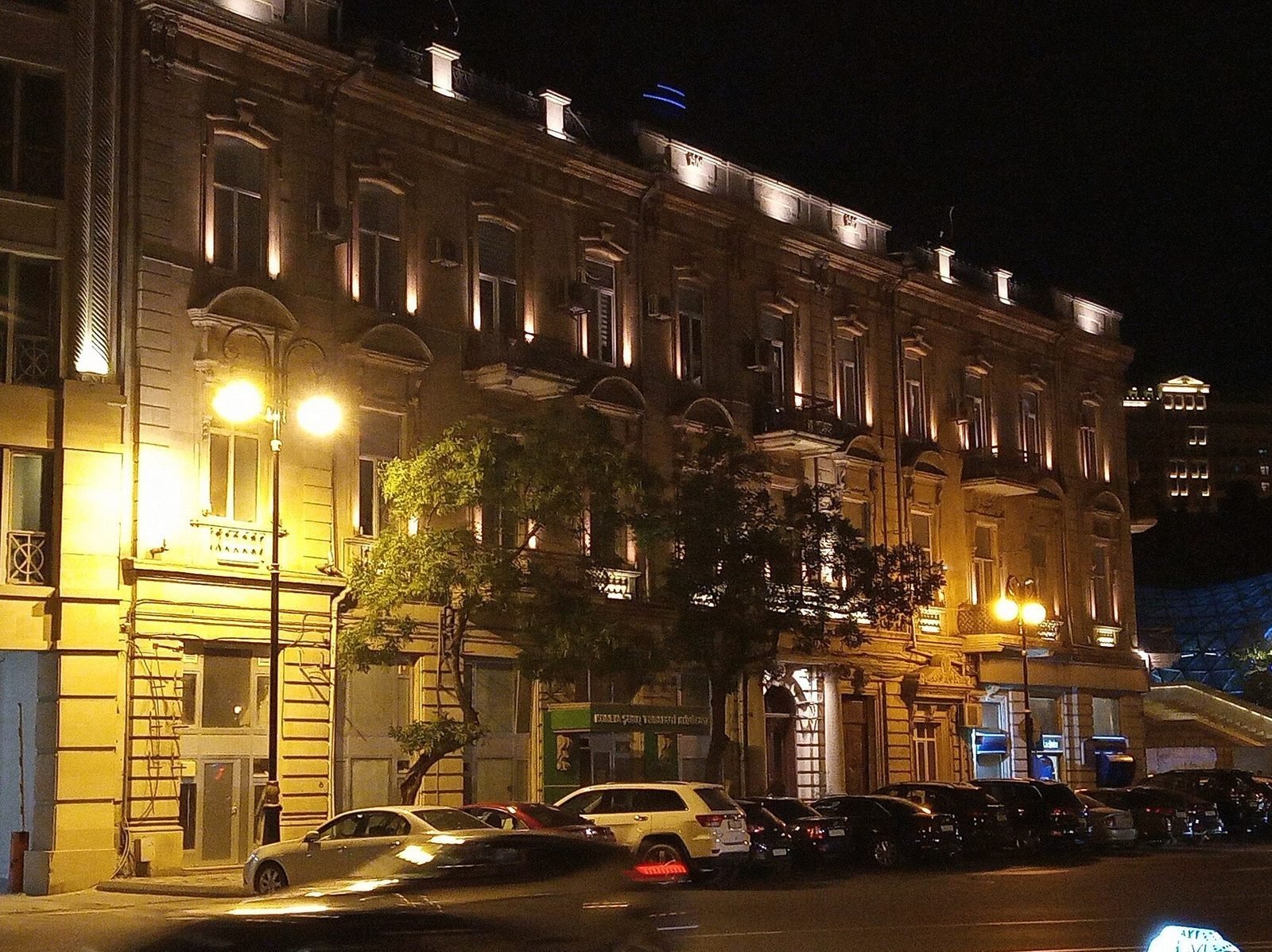
Standard high-rises from the age of greater industrial Baku.
Neftchilar station links the district to the whole city.
Benches, backgammon, tea houses and neighbours who know each other by sight.
Built for the families of factory hands and oil workers of greater Baku.
The borders and popular names of Baku's districts often differ from the official ones. "8th Kilometre" is above all a colloquial name for a place, not a strict administrative unit.